Imsouane beach town survival guide: food costs, transport, and social scene for new work-exchange arrivals
New to Imsouane on a work-exchange? Here's what food, transport, and the social scene actually cost for volunteer arrivals.
Mara Okonkwo
Editor · 40+ countries on a backpacker budget
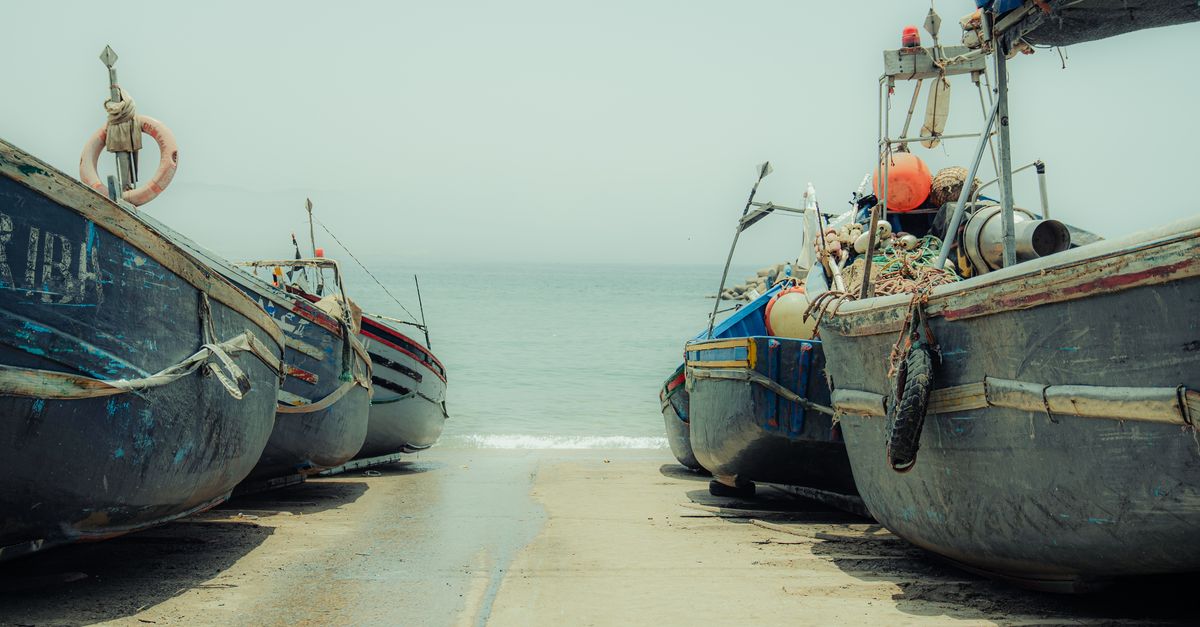
Imsouane is a tiny fishing-turned-surf village on the Atlantic coast between Agadir and Essaouira, and if you're landing there as a work-exchange volunteer, you're entering one of Morocco's most peculiar environments. The town has no nightlife to speak of, no tourist traps, and almost everything you need is within walking distance.
Your best bet for nightlife in Imsouane is your hostel rooftop, since there isn't much action in the village itself. But that stripped-down simplicity is also where the economics shine for work-exchangers on BUNK.
Unlike busier Moroccan towns, Imsouane's fishing economy means fresh seafood dominates both the food scene and your budget. Transport to the village is awkward but cheap, and the social scene revolves entirely around your hostel or the harbor at sunset.
Food costs in Imsouane: what you'll actually spend
Most restaurants are small, family-run operations serving freshly caught fish, tagines, and Moroccan staples at prices well below what you'd pay in Taghazout or Agadir.
A standard tagine (chicken, vegetable, or fish) runs 50-80 MAD ($5.50-8.75), while a grilled fish plate with fries, salad, and fresh bread at portside spots like Chez Jolo or Restaurant Les Vagues costs 80-120 MAD ($8.75-13).
The most memorable meal you will eat in Imsouane — grilled sardines on the harbor wall with khobz bread and a glass of sweet mint tea — costs less than $3. This is not a one-off outlier: that's genuinely what the harbor grills charge. If you're cooking at your own accommodation, groceries in Imsouane are limited and overpriced, so most volunteers end up eating out.
Most hostels on BUNK that operate in Imsouane include meals as part of the work-exchange deal, particularly breakfast and communal dinners. That radically changes your personal food spend. If you're buying lunch alone, expect 80-150 MAD for a sit-down restaurant meal. A full street food meal at a local stall — soup, sandwich, pastry, and juice — rarely exceeds 50 MAD ($5) per person.
The catch: many of the best cafes and restaurants in Imsouane were demolished by the Government in early 2024. That means the dining landscape is still reconfiguring. Ask your hostel host on arrival which spots are currently open and where locals actually go.
Getting to Imsouane: transport routes and real prices
Imsouane is not easy to reach, and every route involves a final taxi leg. The village sits about 90 kilometres north of Agadir on Morocco's Atlantic coast.
Budget travelers using public transport and shared services can reach Imsouane from Agadir Airport for 100-200 MAD total, including buses to Tamraght and grand taxis to the village. Here's the realistic breakdown:
From Place Salam in Agadir, Line 33 leaves every 30-40 minutes, travelling through Tamraght and Taghazout towards Tamri, with the bus trip taking about 1 hour and 30 minutes and tickets purchased from the driver. From Tamri, you can catch a taxi to Imsouane, which takes 30 minutes and should cost around 100dh (€10).
If you prefer a more scheduled option, you can catch a CTM bus from Agadir to Tamanar at 08:15, 11:30 and 13:30, with the trip taking 2 hours and the bus ticket costing 55dh (around €5.50). From there, expect another 30 minutes by taxi.
A private grand taxi from Agadir to Imsouane costs 200-400 MAD, with prices varying based on negotiation skills and seasonal demand.
Once you arrive in Imsouane, everything is within walking distance — the surf break, the harbor fish grill, the guesthouses, the small grocery shops, and the sunset viewpoint on the headland — so you can spend days without spending a single dirham on transport.
The social scene: where to actually meet people
Nightlife in Imsouane is low-key but pleasant, with a small handful of bars where you can unwind with a drink after a day of surf and sunsets. But let's be direct: there is only one place to drink alcohol in Imsouane. TASRA Auberge is known for its cozy bar scene and hosts live music almost every evening starting around 10 p.m. — it's one of the few spots in Imsouane where you can have a beer in a more social setting. Olo Surf sometimes hosts DJ events, providing a relaxed atmosphere with music and drinks.
The reality: Imsouane's social life is not built around bars. It's built around your hostel. If you're after a social atmosphere, staying at one of the busier hostels — like Easy Going or Afer Surf Hostel — is your best bet, or try one of the surf camps for the full communal experience.
During the day, the harbor is the social hub. You can't come to Imsouane without having a wander around the harbour — packed with traditional blue trawlers, with fresh fish being grilled in front of the harbour restaurants. Most visitors and volunteers end up at beachfront cafés mid-afternoon, watching the waves and the fishermen work simultaneously.
Alcohol in bars and restaurants in Morocco tends to be a little expensive, more than you would expect relative to the wider cost of living, because Morocco is an Islamic country and alcohol is haram, and the difficulty in obtaining bar licenses drives prices up.
Cash, ATMs, and what to know before you arrive
There's no cash point in Imsouane — the nearest is about 25km drive away, so make sure you get plenty of cash out before you leave Essaouira or the nearest main town. There's a 50 MAD fee per withdrawal at what ATMs do exist, so you'd do better to use an Al Barid ATM as they are the only ones in Morocco that don't have withdrawal fees.
Bring cash from Agadir or Essaouira. Most BUNK hosts accept cash or bank transfer, but you won't find ATMs in the village itself.
The layout: harbor side vs. headland
Imsouane splits into two distinct areas. The harbor side sits around the working fishing port, crowded with trawlers and restaurants. The headland side, up the slope, is quieter, with guesthouses and fewer tourists. Ask your BUNK host which side they're on during booking—it affects both your commute and your social integration.
Imsouane strips away the backpacker infrastructure you might expect. There are no nightclubs, no Instagram cafés, and minimal signs in English. What you get instead is authentic fishing town life, impossibly cheap seafood, and a volunteer community built tightly around whichever hostel you choose. If that appeals to you, BUNK has listings there waiting for your application. If you need more creature comforts or a buzzing social scene, check out nearby Taghazout instead—it's 90 minutes north by bus.
Frequently asked questions
How many hours a day do work-exchange volunteers typically work in Imsouane hostels?
Most hosts on BUNK ask for four to six hours a day, five days a week. Roles typically include reception, cleaning, meal prep, or guest coordination. Be explicit during the application process about your limits—the smaller, family-run hostels in Imsouane are often flexible if you negotiate upfront.
Is it safe to travel solo to Imsouane?
Imsouane is considered very safe for solo travellers, including solo females. It's a small, laid-back fishing village with a strong surf community, friendly locals and a relaxed vibe, and is a popular stop for backpackers and surfers.
What if I want to work remotely while work-exchanging?
Imsouane is not only perfect for surfing, but also for hiking, practising yoga and working remotely due to its peaceful lifestyle. However, internet quality varies by accommodation. Check our separate guide on internet speeds in Tamraght vs Imsouane for real data before committing to a remote role.
What's the best time to do a work-exchange in Imsouane?
Between roughly November and March a steady stream of European campervans works its way down the Atlantic coast, and Imsouane is a regular stop, with a campsite and informal spots above the bay where vans cluster. That same window draws backpackers and surfers globally, which means more social activity at hostels. Spring (March–May) and early fall (September–October) are quieter and often have better accommodation rates.
