Work-for-stay internet in Tamraght vs Imsouane: which town actually works for remote jobs
Comparing internet speed and reliability in Tamraght and Imsouane for work-exchangers who need to work remotely while volunteering. Real speeds, timing…
The BUNK Team
Work-for-stay travellers & hostel nerds
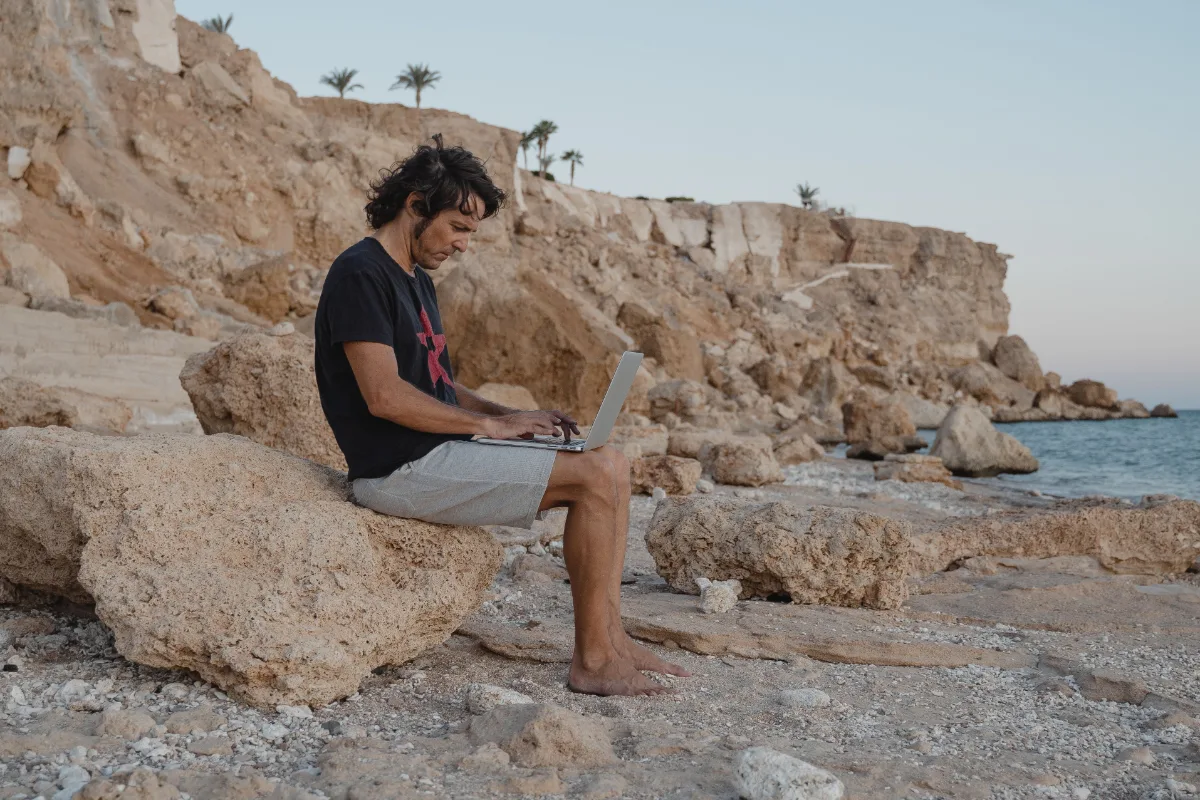
If you're planning a work-exchange in one of Morocco's coastal surf towns, you're probably juggling two competing needs: enough free time and space to do your volunteer shifts, and enough internet to actually earn money on the side. Tamraght and Imsouane are both on BUNK listings right now, so it's worth knowing the real difference before you apply.
The honest answer: neither town has gigabit fiber or a backup power grid. But one handles remote work slightly better than the other—if you're strategic about when you work and where you set up.
Tamraght's internet: useful but temperamental
On average, you can expect speeds ranging from 10 Mbps to 20 Mbps in Tamraght, with some spots offering faster connections. That's enough for email, Slack, even Zoom calls if you're not also streaming. But the catch is timing.
Speeds can vary, especially during peak hours or in more crowded areas. In a town where backpackers, surfers, and increasingly digital nomads all use the same local networks, evenings (roughly 6–10 PM) are when everyone else is online. Your video call will stutter. Your upload will crawl.
The silver lining: Tamraght has begun to cater more to the digital nomad community, with several coworking spaces and cafes that boast good Wi-Fi and comfortable working environments. Working from one of these spots during off-peak hours (early morning, midday) gives you a fighting chance. And if your hostel placement puts you near a good café, you've basically solved your problem.
Imsouane's internet: slower but more honest
In Imsouane, the internet reveals itself to be surprisingly reliable and fast for a remote location, though you might not find lightning-fast speeds of a bustling metropolis. That's the trade-off: Imsouane is smaller, quieter, and less competitive for bandwidth.
While Imsouane's remote location means that internet speeds can be variable, recent improvements have made it possible for digital nomads to stay connected and work effectively, albeit with some planning for bandwidth-intensive tasks. What this means in practice: you can do focused work, video calls, and file uploads—just don't expect to download a 10GB file in 10 minutes.
Local cafes and accommodations often provide Wi-Fi that, while occasionally whimsical in its consistency, generally offers a solid connection. And here's something Tamraght doesn't advertise as loudly: purchasing a local SIM card for data can be a lifesaver, ensuring you're always connected, even when Wi-Fi decides to take a siesta.
The bigger risk in Imsouane? Internet reliability, though generally good, can occasionally falter, especially during peak tourist seasons or in certain locations. If you're planning a work-exchange during summer months (July–August), you're gambling a bit more than you would in Tamraght.
The work-exchange angle: why internet matters beyond email
Here's the thing most hostel volunteers don't ask about until they arrive: work-for-stay doesn't mean you stop needing money. You're trading 4–5 hours of labour per day for a free bed, but you still want to freelance, run an online coaching business, manage remote clients, or finish a coding project. That's when internet quality stops being a luxury and becomes survival.
On BUNK, most hosts post realistic shift patterns—breakfast prep, afternoon cleaning, evening reception—but the gaps are where you work. If your shifts are noon to 5 PM, you've got morning hours (before peak usage) and evenings (after dinner) to earn. If your shifts are 8 AM to 1 PM, you've got the afternoon and night. The point: the hostel's schedule matters as much as the town's internet does.
Tamraght's coworking community also means accountability and peer support. You'll meet other people on BUNK listings, other digital nomads, and hosts who've figured out the work-exchange-plus-remote-work puzzle. Imsouane's smaller size means fewer coworking spaces, but also fewer distractions.
Which one should you pick?
Tamraght if:
- You're doing real-time work (video calls, live chat, synchronous tasks)
- You want coworking spots and a nomad community
- You can commit to working early mornings or midday, outside peak hours
- You're comfortable risking occasional slowdowns in exchange for higher average speeds
Imsouane if:
- Your work is more asynchronous (writing, design, pre-recorded content, email-heavy roles)
- You're willing to buy a local SIM card as a backup
- You want quieter, less competitive bandwidth with fewer digital nomads around
- You're visiting outside July–August peak season
Picking between Tamraght and Imsouane comes down to your work type and your tolerance for unpredictability. Both towns are real work-for-stay destinations, not just vacation spots—the internet is good enough if you're realistic about what that means. The key is going in with a backup plan (a local SIM, a choice café, offline-first workflows) and the honesty to admit if one town isn't working after week one and you need to move.
Frequently asked questions
What's the best mobile SIM for backup data in these towns?
Maroc Telecom (IAM) commands roughly 45% market share and the best nationwide coverage. Morocco's major providers include Maroc Telecom, Orange Morocco, and Inwi, all offering prepaid SIM cards with generous data packages suitable for remote workers. A 20–30 GB plan runs roughly 100–200 MAD per month and acts as insurance when café Wi-Fi fails.
Will VoIP services like Zoom or WhatsApp work on mobile data?
Moroccan carriers throttle or block VoIP services (WhatsApp calls, FaceTime, Skype), making a VPN essential for anyone who relies on voice and video calls. Switch to Wi-Fi for calls, or use a VPN on mobile data. This applies to both towns equally.
How early do I need to wake up to get good internet?
In Tamraght, most people report better speeds before 10 AM and after 10 PM. In Imsouane, congestion is less of an issue overall, so timing matters less. But both towns show improvement between 2–5 AM if you're a night owl.
Can I do the shift and work remote on the same day?
Yes, if you're strategic. Most BUNK listings ask for 4–5 hours of work, leaving you 6–8 uninterrupted hours if your shift is consolidated (e.g., 8 AM–1 PM or 6 PM–10 PM). Talk to the host before applying about shift timing.