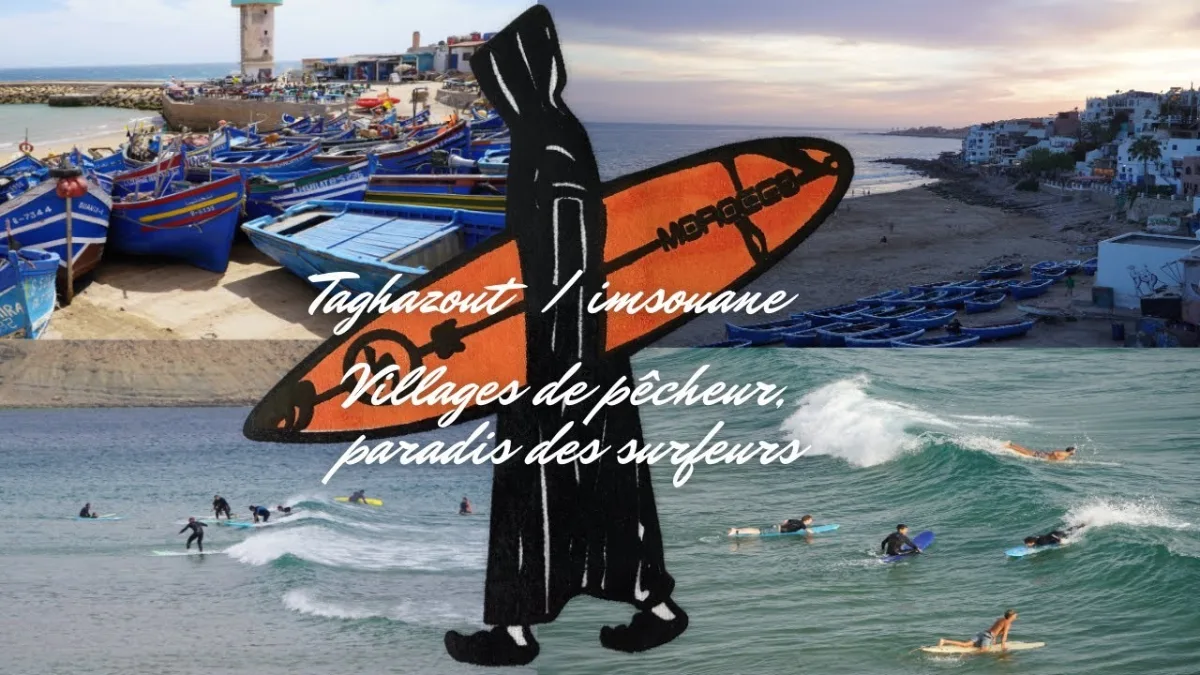
The best time of year to do a work-exchange in Taghazout, Morocco: a month-by-month guide
Taghazout's seasons shape everything from workload to free time. Here's when to time your work-exchange for maximum waves, fewer crowds, or a quieter vibe.
Mara Okonkwo
Editor · 40+ countries on a backpacker budget
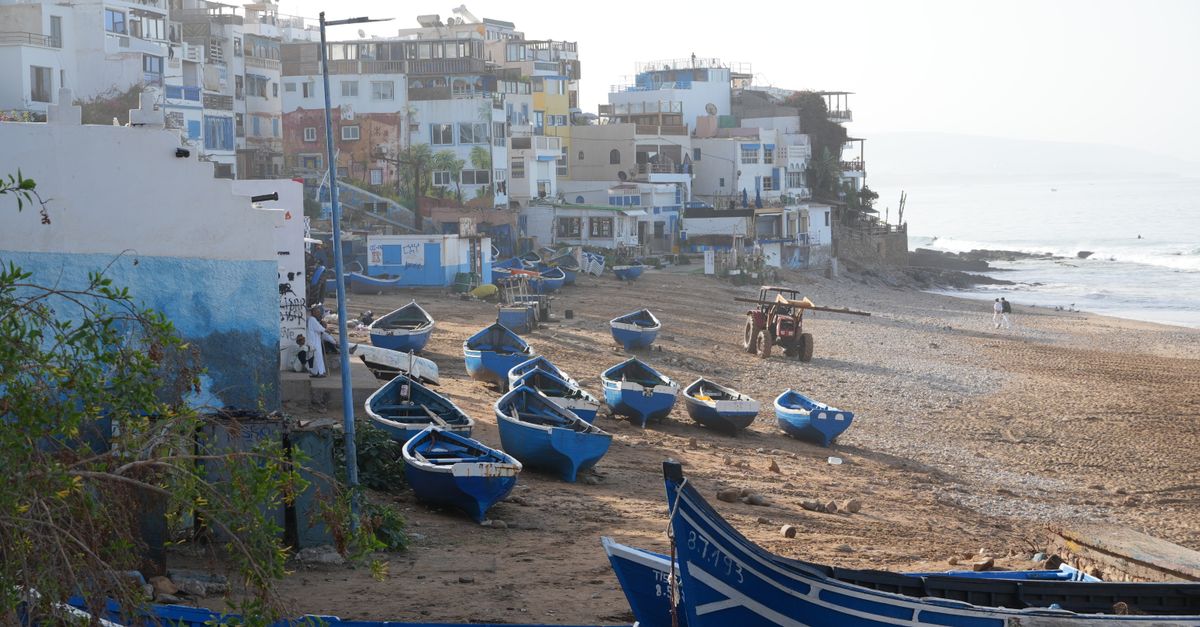
Taghazout blends a relaxed surf, yoga, and backpacker vibe with its traditional fishing village charm—but the town shifts dramatically depending on when you arrive. If you're planning a work-exchange here, the month matters. Not just for whether you'll get good waves or sun, but for how busy the hostel is, how much downtime you'll actually have, and whether you'll be stuck inside working through peak season madness or lounging on the rooftop between shifts.
Whether you're after epic surf conditions, a laid-back low-season gig, or a balance of both, Taghazout has a perfect window. But it's not the same for everyone. Here's what each month really brings to a volunteer.
October: the sweet start
October sits in the shoulder season when prices and crowds drop, offering the best value.
Surf season runs from October to March, when winter storms in the North Atlantic send consistent swells.
October brings daytime highs around 26°C and about 20mm of rain.
For volunteers, this is gold. Hostels are busy enough that positions on BUNK often show high demand, meaning there's real work to do and a hostel alive with guests—but not yet the Christmas rush. You'll have a steady stream of surfers arriving, which means your reception and kitchen shifts have meat to them.
September to November offer a great balance between crowds, weather, and surf, with good waves but fewer people to share them with.
Water temperature is dropping into the low 20s—a 3/2mm wetsuit becomes your friend if you plan to surf on your days off.
November–February: the peak (and the packed)
Winter is the peak surfing season with the biggest waves for experienced surfers, from November to February.
From November to March, Atlantic swells hit the Moroccan coast with regular, powerful, well-formed waves, ideal for intermediate and experienced surfers. But there's a trade-off for volunteers.
Expect especially big crowds over the Christmas and New Year holidays.
January and February see daytime highs around 20°C with nighttime lows near 12–13°C—mild by winter standards, but the hostel workload spikes. More guests means longer shifts, tighter schedules, and less buffer for days off.
January is peak season with about 40mm of rain, though it rarely rains hard enough to spoil a day.
If you can handle a busier hostel and you're a confident surfer or someone who thrives on energy and community, this is when Taghazout buzzes. You'll meet surfers from everywhere. Just don't expect to spend afternoons alone on a beach—the town is packed.
November is the softer entry into winter: good waves, festive energy, but not yet the Christmas madness. If you pick a window just before the holidays, you get the sweet spot.
March–May: spring for non-surfers
Spring (March–May) offers comfortably warm weather, smaller—yet still surf-friendly—waves, and far fewer crowds.
Spring is one of the best times to visit if you want fewer crowds and comfortable weather for exploring the village.
March sees daytime highs around 22–24°C, and the rain tapers off. For volunteers, this is the breathing room season. Hostels are quieter, which means your shifts feel more manageable and you actually get meaningful free time. If you're not obsessed with surfing, this is your window to spend afternoons hiking the cliffs, exploring Tamraght, or just sleeping in without guilt.
The downside: fewer guests means some hostels might need fewer volunteers, or shorter commitments. Check BUNK listings carefully—some places wind down their volunteer rosters as demand softens.
June–August: the hot lull
June, July, and August are off-season, with daytime highs around 28–31°C and minimal rain (1–2mm).
Summer is the hottest season, with busier beaches ideal for sunbathing, but it's not peak season for surfing—beginners can still find smaller waves.
Waves flatten out, which is why experienced surfers call this off-season. But for volunteers, it's a genuine trade-off.
Summer is peak tourism season for domestic travel in Morocco, with locals flocking from cities to coastal towns like Taghazout for a bit of beachside reprieve. That means more foot traffic through hostels, but a different type of guest: families, domestic travelers, people on shorter stays. Shifts can still be busy, but with less intensity than winter.
The heat is real.
August is the hottest month, averaging 25.6°C—not scorching by Sahara standards, but enough that working indoors in a kitchen becomes less appealing.
Humidity peaks in August, reaching 82%.
If you love heat and don't mind a quieter vibe mixed with domestic tourism, summer works. If you're heat-sensitive or crave that surf-hostel energy, it's your weakest option.
September: the comeback
September is shoulder season with daytime highs around 29°C and about 5mm of rain.
September to November offer a great balance between crowds, weather, and surf, with good waves but fewer people.
This is the pivot month. The heat is still there, but swells are creeping back. Hostels start booking up again as surfers drift back. For volunteers, it's a good restart: enough guests to keep things alive, enough room to breathe. It's a quieter echo of October without the hassle of holiday planning.
December: chaos and camaraderie
December deserves its own note.
Christmas and New Year holidays bring especially big crowds. The hostel is full. Shifts run longer, turnover is rapid (people checking in and out constantly), and the vibe is party-heavy.
December brings powerful winter waves and an exhilarating surfing atmosphere, with epic sessions.
This is not a relaxing month. It's chaotic. But if you thrive on that energy—the international mixing, the late-night rooftop hangouts, the sense of being in the middle of something—it's unforgettable.
December receives moderate rainfall, with about 51mm of precipitation, spread unevenly, so rain rarely derails a day.
If you want quiet or rest, skip December. If you want stories, it's the one.
January: peak but slightly saner
January keeps the waves and most of the crowds, but the Christmas party-crowd has thinned a bit. You're past the holiday spike.
January is at its surfing peak with robust waves and an exhilarating surfing atmosphere. For volunteers, it's still busy—expect to work—but the hostel settles into a rhythm instead of pure chaos.
If you're the type who needs waves and a buzzing community, October, November, or early December is your window. If you want a gentler vibe and real downtime between shifts, March through May gives you that. And if you just want to trade a few hours of work for a bed and you're not picky about the season, the shoulder season of April–May and September offers the best value—fewer tourists, lower living costs, and less competition for volunteer spots on BUNK.
The truth is, there's no wrong month. There's only what you need. Pick the season that matches your energy, check BUNK for open positions, and commit to at least 3–4 weeks so you actually settle in. Taghazout does its thing no matter when you show up.
Frequently asked questions
When should I apply for a work-exchange position in Taghazout?
Positions on BUNK often show high demand, especially in shoulder seasons (October, November, March, April). If you're targeting a specific hostel, apply 4–8 weeks ahead. Peak season slots (December, January) fill faster.
What month has the best balance of waves, weather, and free time?
October and November. You get consistent swells from North Atlantic and Morocco-generated swells, lower prices and fewer crowds than peak winter, and a hostel busy enough to feel alive without the December-January crunch.
Can I surf year-round in Taghazout?
Yes. From May to September, waves are smaller and less regular, but it's still excellent for beginners, with surf schools offering lessons at more accessible spots. The shoulder seasons—March to May and October to November—are ideal for most levels.
What's the rainiest month?
December receives the most rainfall, about 51mm distributed across 6 rainy days. But much of the precipitation occurs as short, heavy bursts, and it's generally better to avoid swimming right after rain. Rain rarely stops you from working or exploring.