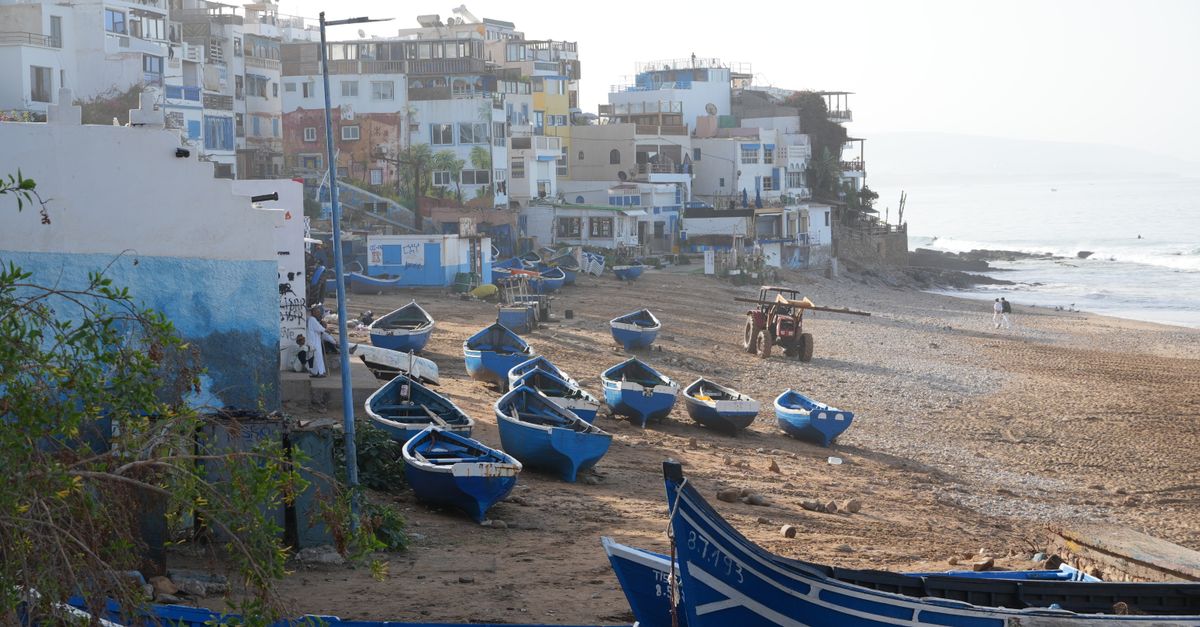
Imsouane vs Taghazout: Where to Find Cheaper Work-for-Stay Deals
Both Moroccan villages are budget-friendly, but Imsouane's lower baseline costs and quieter vibe contrast sharply with Taghazout's abundance of…
The BUNK Team
Work-for-stay travellers & hostel nerds
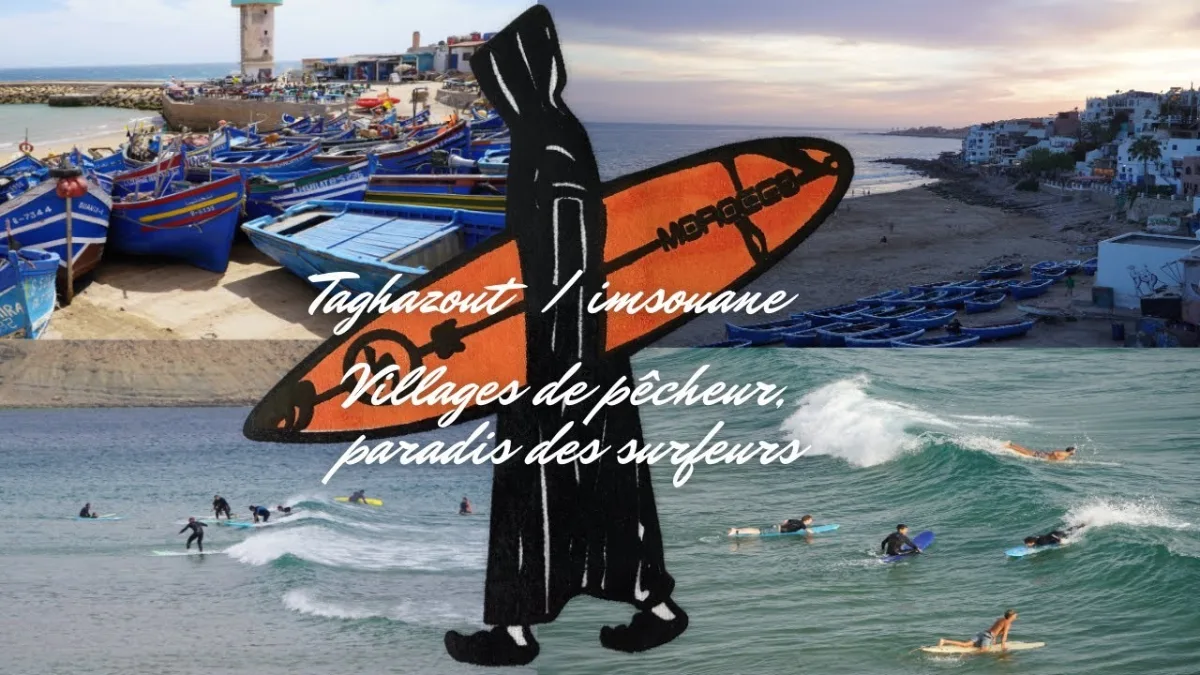
If you've heard the name Taghazout dropped 100 times, you might be wondering why anyone would go to Imsouane, a fishing village located 100 kilometres north of Agadir. The honest answer: Taghazout is the obvious choice if you want volume, options, and a social scene. But Imsouane is considerably quieter and less developed than Taghazout, which means cheaper living—and a totally different vibe.
If you're looking at BUNK or other work-for-stay platforms to stretch a limited budget, the trade-off between these two villages isn't straightforward. One has more listings. The other has lower baseline costs. Here's how to decide where to land.
Why Taghazout has more work-for-stay opportunities
Taghazout is a developed, buzzing surf town with a wave for every level and a full night-time social scene. That infrastructure matters for work-for-stay: more hostels, more guests coming through, more demand for volunteers.
On BUNK, you'll find reception shifts, housekeeping roles, social event hosting, and surf instructor gigs concentrated in Taghazout. The sheer number of beds means more churn, more turnover, more need for hands. At the moment, there are 54 hostels in the area and Bigblue Hostel Surf & Coworking is the most popular among momondo users. That density is a magnet for hosts posting volunteer work.
The downside: Taghazout prices reflect its popularity. The cheapest price for a room in Taghazout found in the last 7 days is $20/night. And the most expensive months for Morocco are February, March, and July. If you're booking a paid bed to cover days between gigs, costs add up fast.
Why Imsouane makes financial sense
Imsouane is a quiet, working fishing village built around one of the longest rideable waves in Africa. Fewer tourists, fewer hostels, fewer volunteers being processed. Evenings are quiet — think stargazing, a fire on the beach, or a quiet beer on a rooftop rather than a night out. Dining leans toward Moroccan classics: tagines (particularly seafood), harira soup, and amlou served with fresh bread.
The money wins are real. Dreamsea has ocean views and start from just €45 per night. Breakfast is included, and you can opt to partake in communal lunch and dinners. Ocean Point and you can book it from just £18 per night for two people. Those are low-baseline numbers that mean you're not bleeding cash on accommodation even without a work-for-stay gig.
Food costs even less than Taghazout's restaurants. Meals typically cost 80-150 MAD (roughly $8–$15 USD) at local spots, and you can buy fresh fish straight from the harbor to cook yourself. A two course meal of soup and tagine (fish, meat or veg) plus two beers cost around £20 for both of us.
But here's the catch: fewer hostels means fewer work-for-stay listings. BUNK and Workaway both have listings in Imsouane, but the volume is a fraction of Taghazout. If you're counting on a volunteer role to fund your stay, you might land one easily—or you might spend a week knocking on doors.
The real trade-off: volume vs. cost
Think of it this way: In Taghazout, you have a high probability of finding work-for-stay quickly and a moderate cost for fallback nights. In Imsouane, your baseline living cost is genuinely cheaper—but landing work is less guaranteed.
Both villages sit on the same stretch of Atlantic coast south of Agadir, and they're only about 1.5 hours apart by road. They're just 1.5 hours apart, so many surfers do both on the same trip. Smart budget travelers split the difference: base yourself in Imsouane for 3–4 nights (cheaper, quieter, good for surf or rest), then move to Taghazout for 4–5 nights to line up work-for-stay or day-trip gigs.
Accommodation costs $10 to $15 per night using hostels and budget guesthouses. Food runs $15 to $20 per day combining street food with one restaurant meal. Neither village breaks that baseline by much. But Imsouane skews lower on the range.
How to land work in either place
If you're serious about finding a role, start before you arrive. Search BUNK, Workaway, and HelpX now and apply directly to hosts—don't wait until you land. Hosts prefer knowing you're coming. In Taghazout, you'll have more to choose from; in Imsouane, you might have one or two active listings, so apply to all of them.
Once there, walk the main streets and knock on hostel doors. Imsouane has fewer public transport options, but its compact size means you don't need a car once you're there. It's small enough to do that easily. Taghazout's larger, but still walkable.
Timing matters. The cheapest months to travel in Morocco are May, September, October, and December. These shoulder seasons also mean lighter hostel traffic—potentially fewer volunteers working, which could mean more openings. But fewer tourists can also mean fewer beds to fill and fewer volunteer roles posted.
The bottom line: Imsouane costs less to live in, but Taghazout offers more work-for-stay volume. If you're willing to arrive with a booked role or stay longer in Imsouane to find one, the village's cheaper baseline gives you real financial breathing room. If you need guaranteed income quickly, Taghazout's ecosystem of hostels and volunteers makes landing a gig almost inevitable.
Either way, you're in a part of Morocco where accommodation costs $10 to $15 per night using hostels and budget guesthouses. Food runs $15 to $20 per day combining street food with one restaurant meal. That's genuinely cheap. The choice is about whether you want the social, bustling vibe of Taghazout or the quiet, authentic fishing village pace of Imsouane—and whether you can front a few nights while you hunt for work.
Frequently asked questions
Is Imsouane actually cheaper if you don't land work?
Yes. Even without a work-for-stay gig, your daily burn in Imsouane is lower because accommodation and food cost less at baseline. Taghazout's advantage is volume of work—not price.
Can you do both villages on one trip?
If you have 10+ days and want a quieter, more authentic experience, splitting your stay between the two is very rewarding. A practical split: 4–5 nights in Taghazout followed by 3–4 nights in Imsouane, finishing with a night in Agadir before flying out.
Which has better waves?
Different. Imsouane has Morocco's longest wave — a long, mellow right-hander ideal for intermediate surfers and longboarders. Taghazout has more variety: Anchor Point for advanced surfers, Hash Point for intermediates, and beach breaks for beginners.
How far from the airport?
Taghazout: roughly 20–30 minutes from Agadir's Al Massira Airport, making it the easier base for a shorter trip. Imsouane: around 1.5 hours from Taghazout and further still from the airport, so factor in extra transfer time.